Ellis Friedrich · 12 September 2026
Unlocking Efficiency in Embedded Systems Through Streamlined Micro-Development Workflows
Embedded systems developers face increasing pressure to deliver compact, reliable devices while managing tight timelines and resource constraints, yet many organizations still rely on fragmented processes that slow progress and raise costs. Researchers have documented how modular approaches, automated testing pipelines, and integrated version control systems can cut development cycles by measurable margins according to multiple industry analyses. Data from hardware design reports show that teams adopting these methods often complete iterations faster because they isolate small functional units for independent validation before integration occurs. This approach aligns well with microcontroller projects where memory limits and real-time requirements demand precise code management from the outset.
Core Elements of Micro-Development in Embedded Contexts
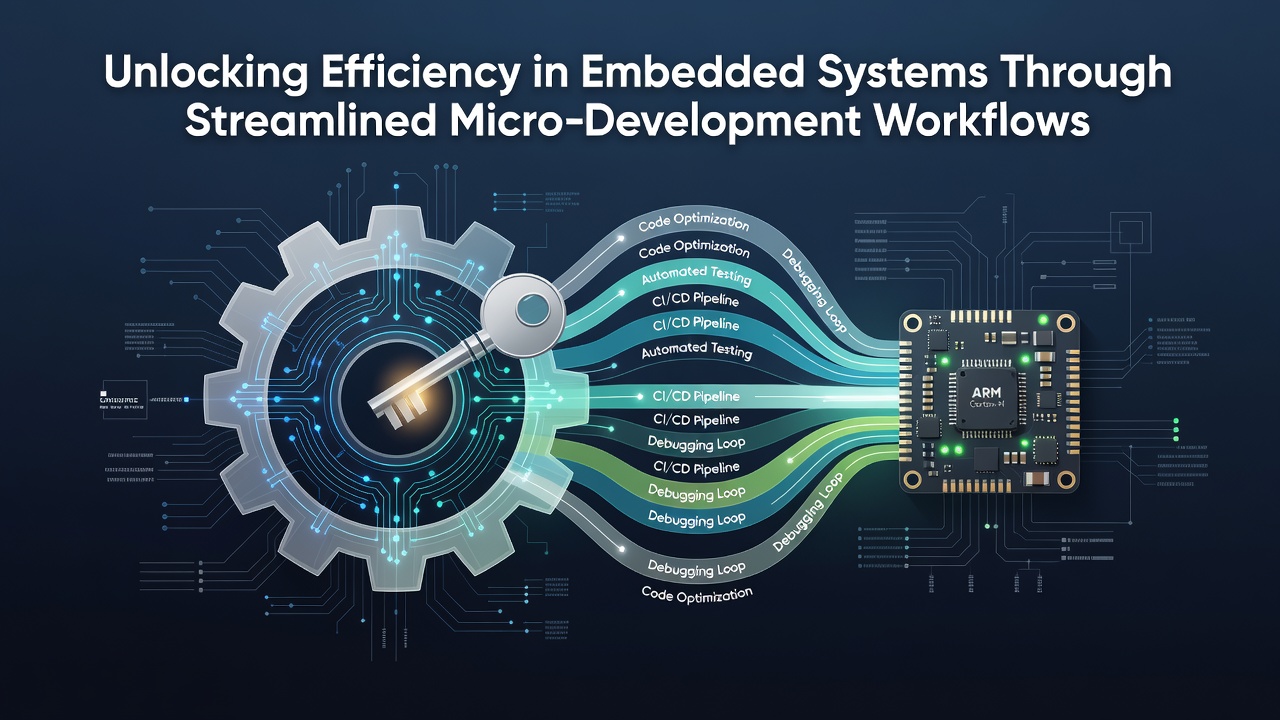
Micro-development workflows break larger firmware tasks into discrete, testable modules that teams can build, verify, and merge without disrupting the entire system. Observers note that this mirrors practices long used in larger software environments but adapted for the constraints of flash memory sizes and interrupt-driven architectures common in devices ranging from industrial sensors to automotive controllers. Studies published in engineering journals indicate that such segmentation reduces debugging time because errors surface within smaller codebases rather than across monolithic files. Teams frequently pair these modules with continuous integration servers that compile and run unit tests on target hardware or emulators each time changes are committed, a step that prevents regressions from accumulating across releases.
Automation Tools Driving Workflow Improvements
Automation platforms now support embedded targets through plugins that handle cross-compilation, flashing, and peripheral simulation in unified environments. Figures from technology adoption surveys reveal growing use of these tools across North America and Europe, where regulatory standards for safety-critical systems require traceable build processes. Engineers integrate scripting layers that execute static analysis and code coverage checks automatically, producing reports that satisfy documentation needs without manual intervention. One documented case involved a sensor network project where deployment frequency rose after the introduction of overnight regression suites that flagged compatibility issues before hardware prototypes were assembled.
Integration with Hardware Constraints and Standards
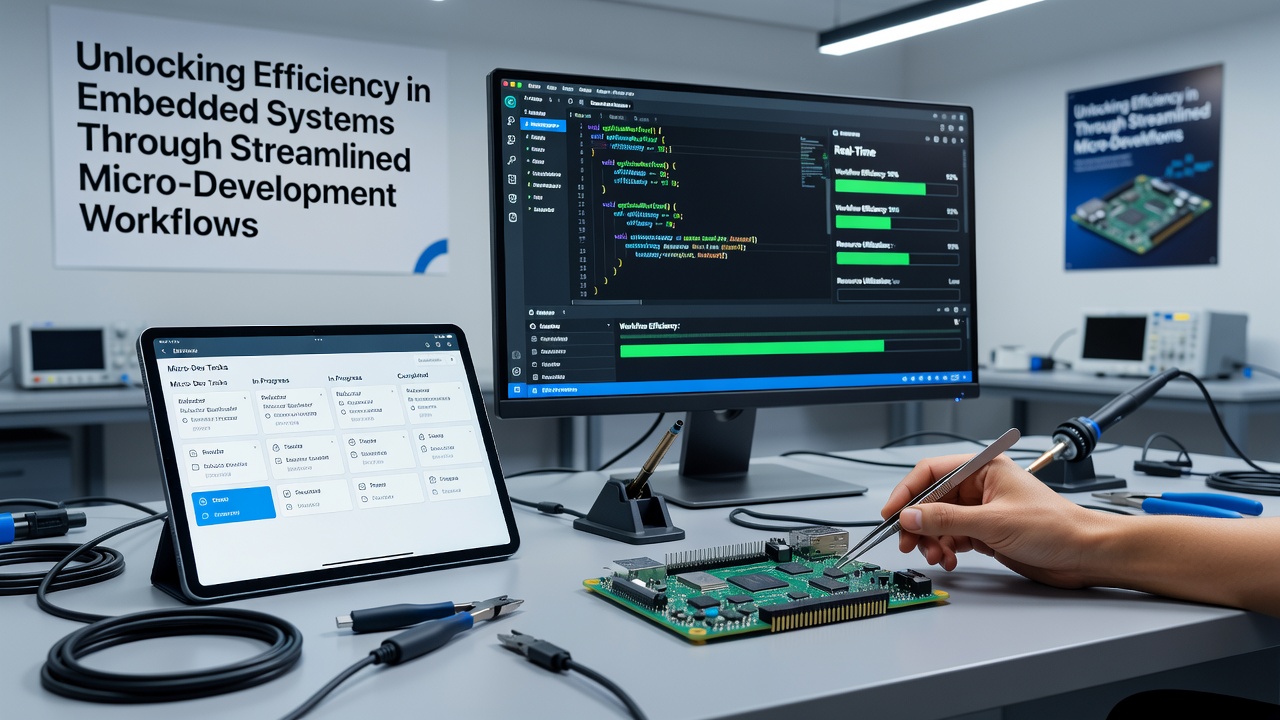
Embedded projects must still respect power budgets, pin limitations, and certification requirements, so streamlined workflows incorporate hardware-in-the-loop testing early rather than at the end. According to reports from research institutions in Australia, organizations that embed simulation models into daily builds achieve higher first-pass success rates during physical validation phases. Standards bodies such as those overseeing industrial communication protocols provide guidelines that these automated flows can reference directly through configuration files, ensuring compliance checks occur alongside functional tests. Data collected from multiple manufacturing sites shows reduced time between prototype revisions when teams maintain synchronized hardware descriptions and software repositories in shared systems.
Measuring Gains Across Development Phases
Industry metrics track improvements in lines of verified code per engineer hour, defect escape rates, and overall project duration after workflow changes take hold. Research indicates that projects using containerized build environments report fewer environment-specific failures, a common source of lost time in cross-platform embedded work. Those who've studied adoption patterns across Asia-Pacific regions note that smaller teams benefit disproportionately because shared tooling reduces the expertise barrier for new contributors joining mid-project. External validation through third-party audits becomes simpler when build logs and test results reside in centralized, queryable databases rather than scattered local machines.
Future Developments and September 2026 Milestones
Upcoming industry gatherings scheduled for September 2026 will likely feature sessions on next-generation orchestration layers that extend micro-development principles to multi-core heterogeneous processors. Government technology roadmaps from Canadian and EU sources outline funding priorities for open frameworks that support reproducible builds across distributed teams. Early adopters already experiment with AI-assisted code partitioning that suggests module boundaries based on dependency graphs extracted from existing firmware, though full deployment remains subject to ongoing validation studies. These advances build directly on current practices that emphasize small, independently deployable components over large-scale rewrites.
Conclusion
Streamlined micro-development workflows deliver documented efficiency gains in embedded systems by combining modular design, automation, and early hardware integration. Evidence from engineering studies and adoption data across regions demonstrates consistent reductions in cycle time and defect rates when organizations implement these methods systematically. As hardware complexity continues to rise, the same principles support scalable processes that maintain traceability and compliance without sacrificing development speed.