Ellis Friedrich · 10 October 2026
Exploring Modular Build Pipelines for Rapid Prototyping of Portable Audio Synthesis Hardware
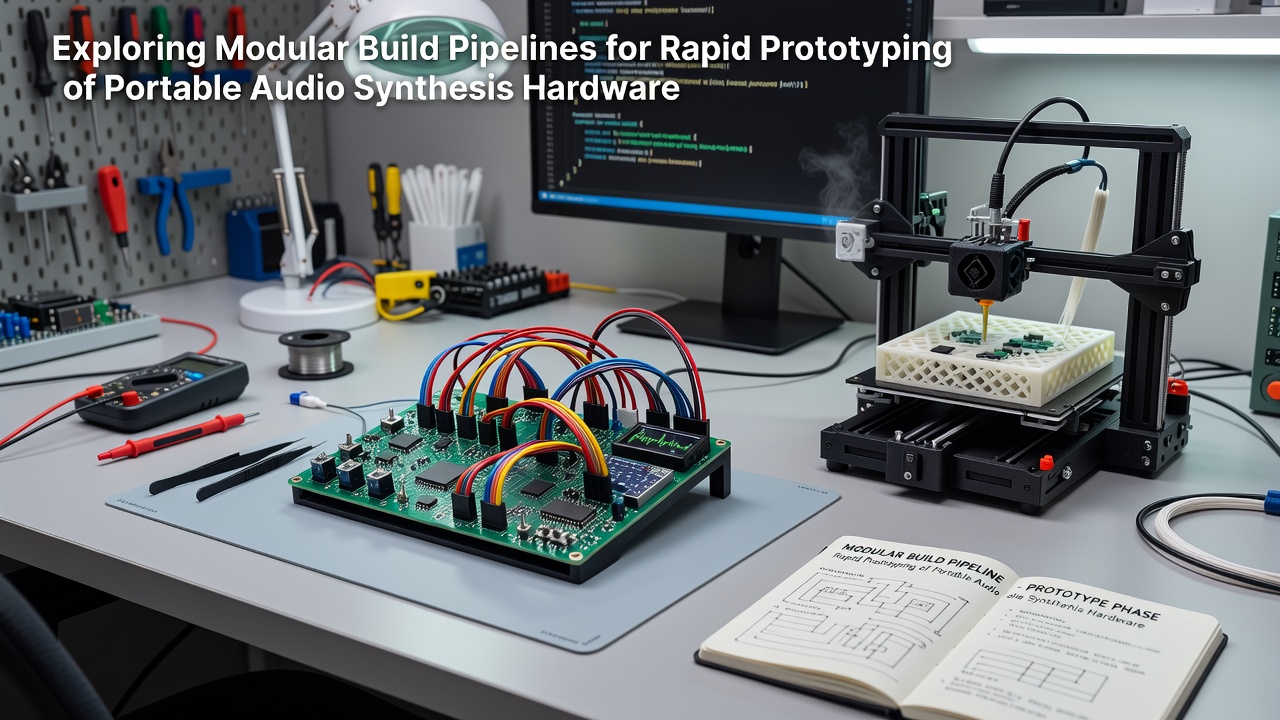
Modular build pipelines organize hardware development into discrete, interchangeable stages that support quick iteration during the creation of portable audio synthesis devices, and these systems draw from established practices in embedded electronics where teams assemble core functions such as oscillators, filters, and control interfaces on standardized carrier boards. Data from industry reports indicate that such pipelines reduce assembly time by connecting reusable modules through standardized connectors, allowing developers to test sound generation algorithms without rebuilding entire circuits from scratch.
Core Elements of Modular Pipelines in Audio Hardware
Researchers at technical institutions have documented how pipelines typically begin with a base microcontroller unit that handles digital signal processing, and subsequent modules add analog components for waveform shaping or digital interfaces for MIDI input while maintaining compatibility through shared power and data buses. Studies from multiple engineering labs show that this separation lets teams swap one module for another during testing phases, which supports rapid evaluation of different synthesis methods like subtractive or FM techniques without altering the main chassis.
Portable constraints introduce additional requirements around battery management and size, so pipelines often incorporate power regulation modules that optimize voltage delivery to audio circuits, and case studies from development groups reveal that these additions maintain signal integrity across varying load conditions common in battery-powered units. Observers note that documentation of pinouts and firmware hooks becomes essential at this stage because it enables consistent integration when new modules enter the workflow.
Techniques Supporting Rapid Prototyping Cycles
Engineers apply version-controlled hardware descriptions alongside software repositories to track changes across both domains, and this dual tracking allows automated testing scripts to verify module interactions before physical assembly occurs. Figures from recent fabrication workshops indicate that teams using these methods complete functional prototypes in days rather than weeks, particularly when they employ pick-and-place equipment for surface-mount components on modular boards.
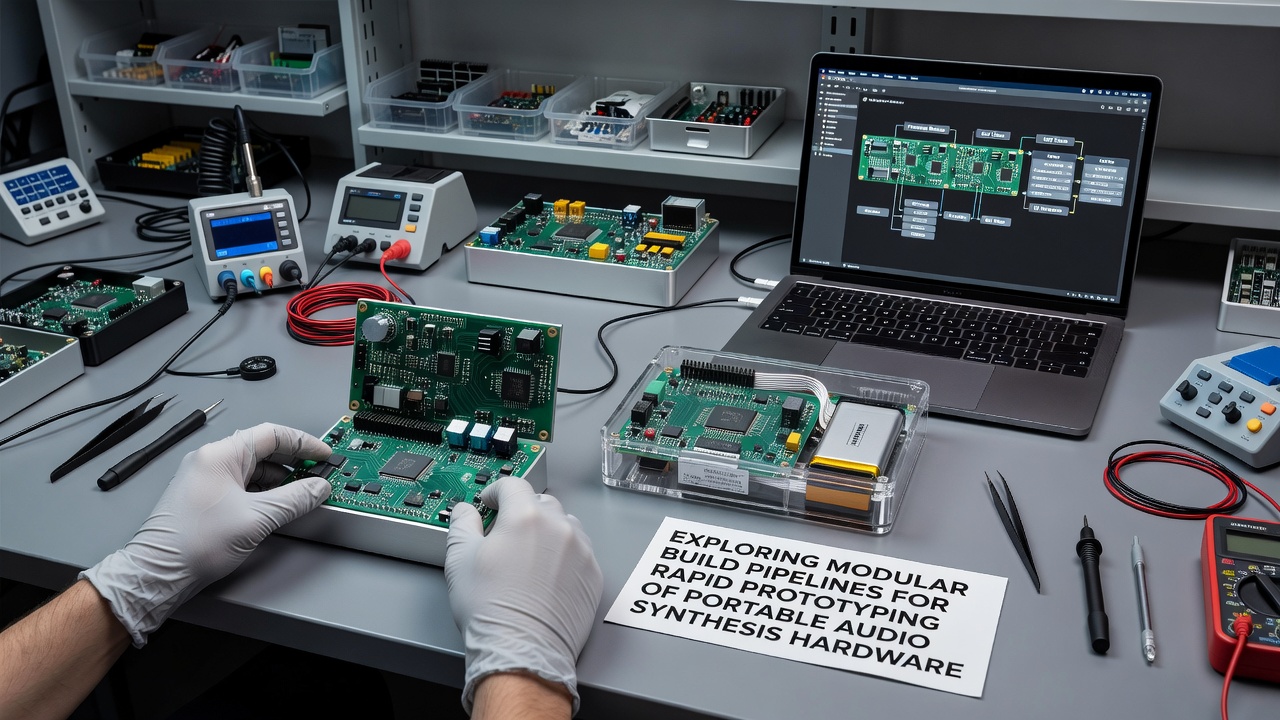
Simulation tools play a central role by modeling audio output before components reach the bench, and data from academic projects demonstrate that combining circuit simulation with real-time audio rendering catches timing errors in digital-to-analog conversion early. In October 2026 several regional electronics symposia presented findings on cloud-based collaboration platforms that let distributed teams update module designs simultaneously, which further compresses the feedback loop between concept and working hardware.
Integration of Sensors and User Interfaces
Portable synthesis hardware frequently includes touch-sensitive controls or accelerometer-based modulation, so pipelines allocate dedicated slots for these input modules that communicate over serial protocols to the central processor. Evidence from sensor integration studies shows that standardized communication libraries reduce the code required to incorporate new gesture controls, allowing focus on sonic response rather than low-level interfacing.
Thermal management modules address heat from continuous audio processing in compact enclosures, and laboratory measurements confirm that passive heat spreaders combined with active fan modules keep component temperatures within operational limits during extended performance sessions. Those who have examined multiple builds note that early inclusion of these thermal elements prevents redesigns later in the pipeline.
Supply Chain and Documentation Practices
Modular approaches align well with just-in-time component sourcing because individual modules can draw from common inventories rather than custom parts, and reports from electronics manufacturing associations highlight reduced lead times when teams standardize on widely available microcontrollers and codec chips. Accurate bills of materials generated automatically from pipeline definitions support compliance checks against regional regulations on restricted substances.
Firmware update mechanisms built into the pipeline allow field reprogramming of synthesis algorithms through USB or wireless connections, and records from open hardware repositories show that this capability extends the usable life of prototypes by enabling community-contributed sound engines. Geographic variation appears in adoption rates, with European research consortia emphasizing open documentation standards while North American groups focus on integration with commercial fabrication services.
Conclusion
Modular build pipelines continue to shape development practices for portable audio synthesis hardware by breaking complex systems into testable segments that accelerate iteration and reduce waste. Continued refinement of these methods, supported by shared repositories and simulation resources, provides measurable improvements in prototype turnaround as documented in engineering literature through 2026.